

Your AI pricing problem isn't about pricing
By the time you're arguing seats vs. credits vs. outcomes, the real question was already missed.

Just before we dive in, a quick welcome to the many new subscribers who joined recently. Really glad you’re here! 🙂
Alright, let’s get into it.
I’ve been in a lot of pricing conversations lately. Different companies, different stages, but same pattern - everyone is trying to figure out the “right” AI pricing model.
According to Kyle Poyar’s analysis, there were over 1,800 pricing changes across the top 500 SaaS and AI companies in 2025 alone. Credits replacing seats, and outcome-based models getting pitched as the inevitable direction.
But that’s the wrong debate. Most companies aren’t solving a pricing problem. They’re exposing a value-definition problem.
The debate starts too late
Here’s the thing: pricing doesn’t create value clarity. It reveals whether you have it.
By the time you’re arguing about details like seats, credits, outcomes and hybrid, the real question has usually already been missed. And no model will fix that. You’re just choosing how to measure something you haven’t fully defined yet.
2025 was, for most AI companies, adoption mode. Pilots ran with minimal scrutiny, buyers moved fast, and pricing wasn’t the hard conversation.
2026 is when those pilots have to justify the price. And that’s a very different conversation.
Before the model, answer these 3 questions
I’d start with these three questions:
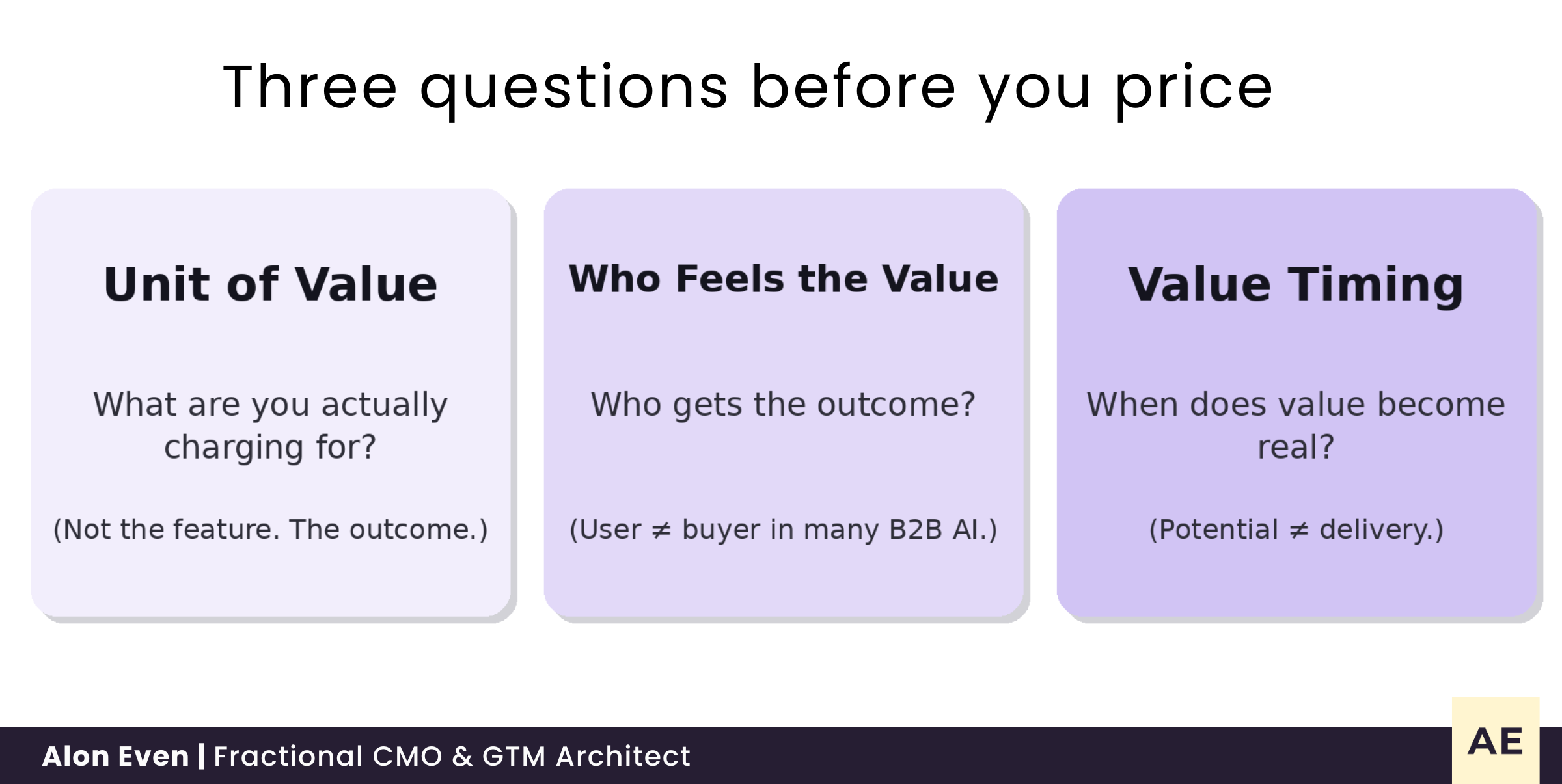
1- What is the actual unit of value?
It’s not about the features or output.
It’s the thing your customer would have paid a person to do, or the outcome they actually couldn’t achieve before.
If your team can’t answer this precisely, your pricing will always feel slightly off to buyers, even when the number seems reasonable.
2- Who experiences that value most directly?
You have to understand who actually gets the value, because it’s not the same across different AI products.
In some cases, the user is also the beneficiary. A developer using Cursor or Claude Code feels the productivity gain themselves. Same for creative tools - the person generating the output is the one using it.
But in many B2B AI products, there’s a gap.
A sales rep uses the platform, but the CRO sees the pipeline impact. Or a support agent runs the workflow, but the VP sees the CSAT score. When value is felt by someone other than the user, seat-based pricing creates a disconnect that’s hard to close at renewal.
And it’s even harder for agentic products - if the AI is doing the work, there isn’t really a “seat” to price against in any meaningful way.
3- When does value become real enough to charge for confidently?
This is the one many teams skip in my experience.
AI value often shows up unevenly: strong in demos, inconsistent in daily use, and hard to attribute cleanly.
So, if you can’t show when value reliably lands for your ICP, you’re pricing against potential, not delivery. And potential doesn’t hold up when the renewal conversation happens.
Getting these three right doesn’t tell you which model to use, but it tells you what your model needs to reflect. And that’s the work that happens before the pricing page.
What aligned pricing actually looks like
A few companies get this right, not because they found the perfect model, but because they resolved the upstream GTM questions first.
Let me give you a few examples.
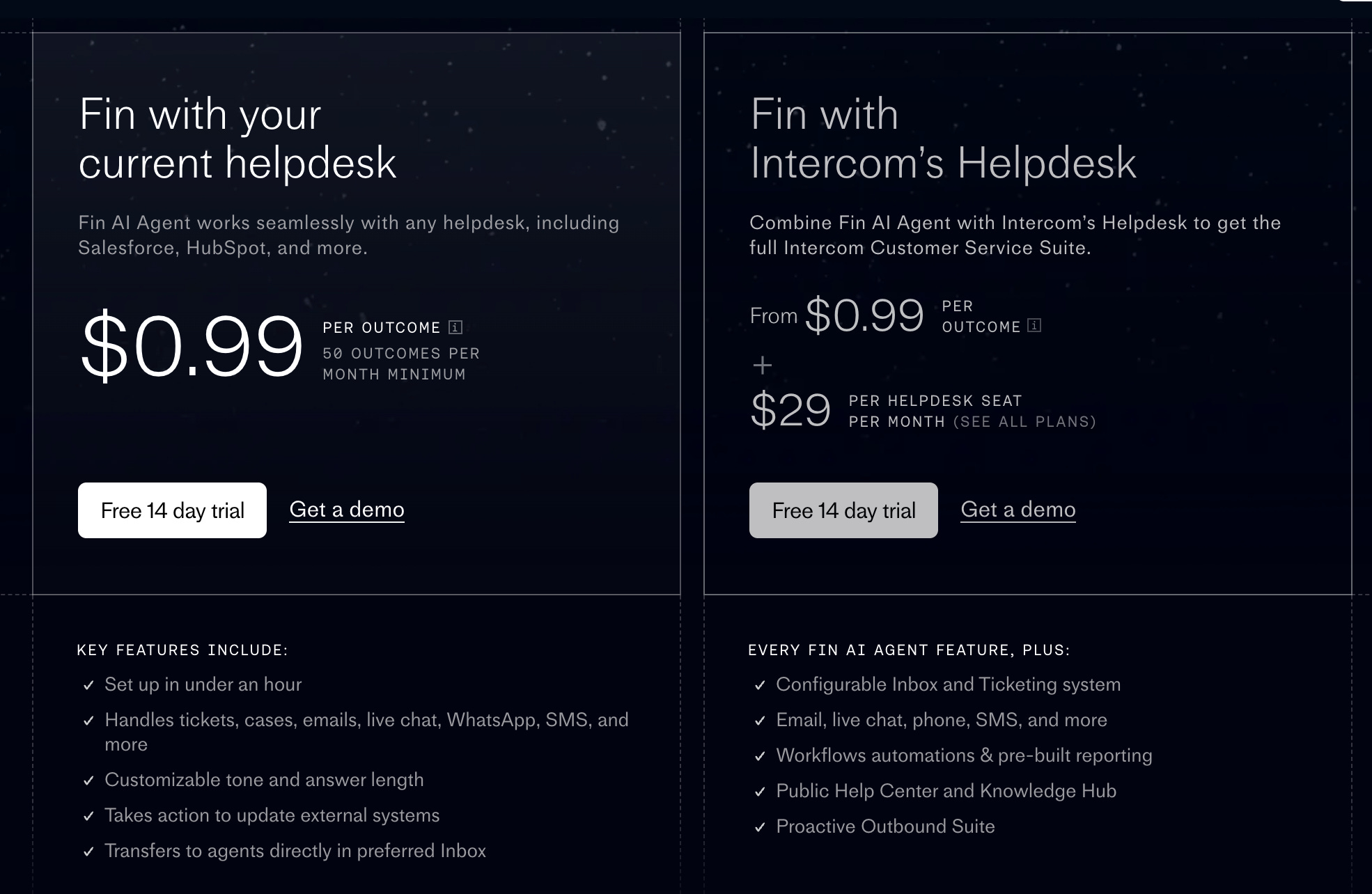
Intercom priced Fin at $0.99 per resolved ticket. The unit of value is precise - a ticket closed without human involvement, and that clarity aligned every team around one outcome.
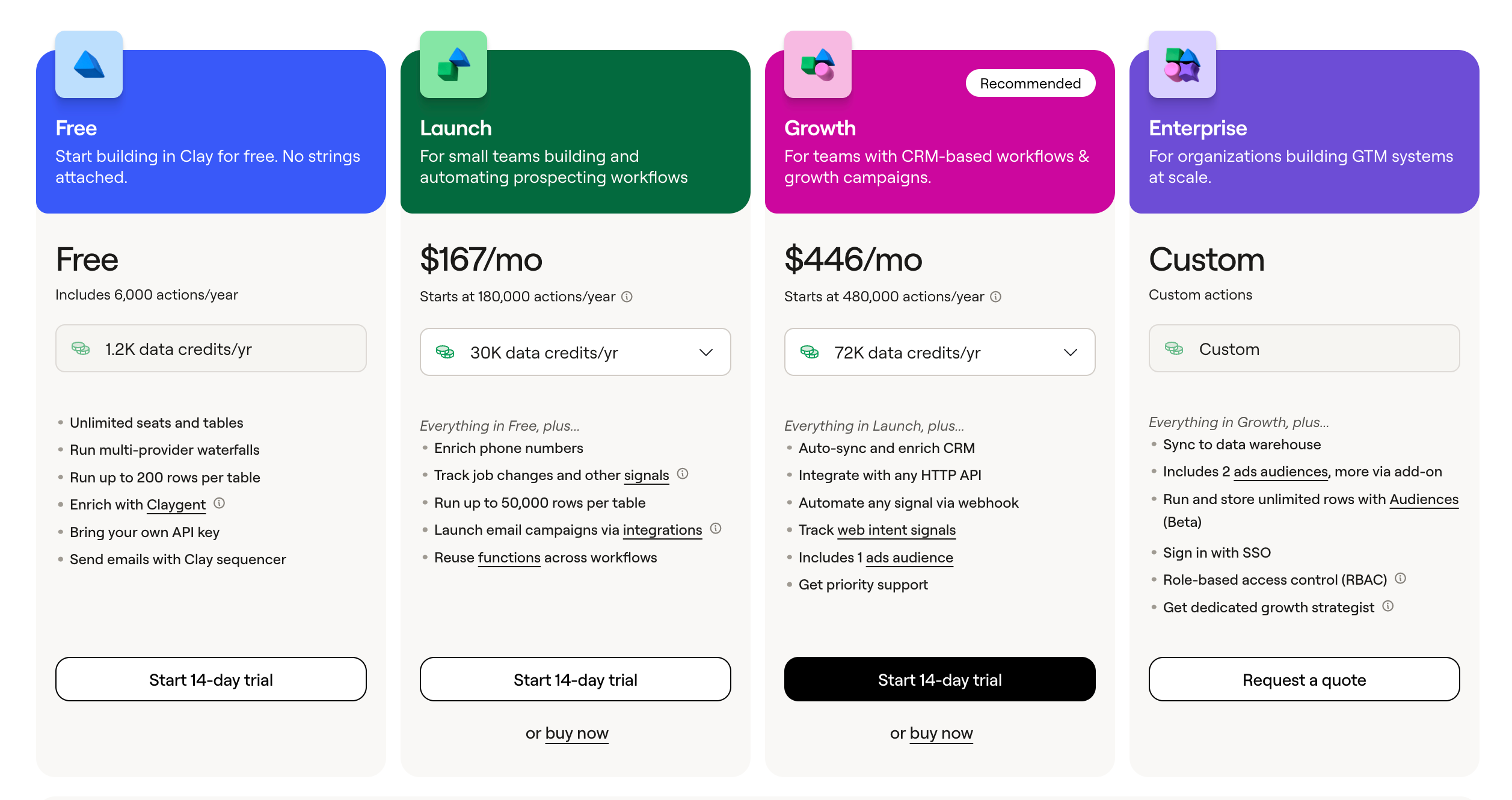
Clay restructured their pricing in March 2026 because the old model bundled two different things customers were paying for.
In their new model, Data Credits cover the data itself - emails, phone numbers & company info - while Actions cover the platform work: running workflows, AI calls, and CRM pushes.
Same tool, but now the pricing reflects two distinct parts of the customer experience instead of one blended metric. That shift is harder than it looks, because companies often meter what’s easy to track technically, not what creates value for the customer.
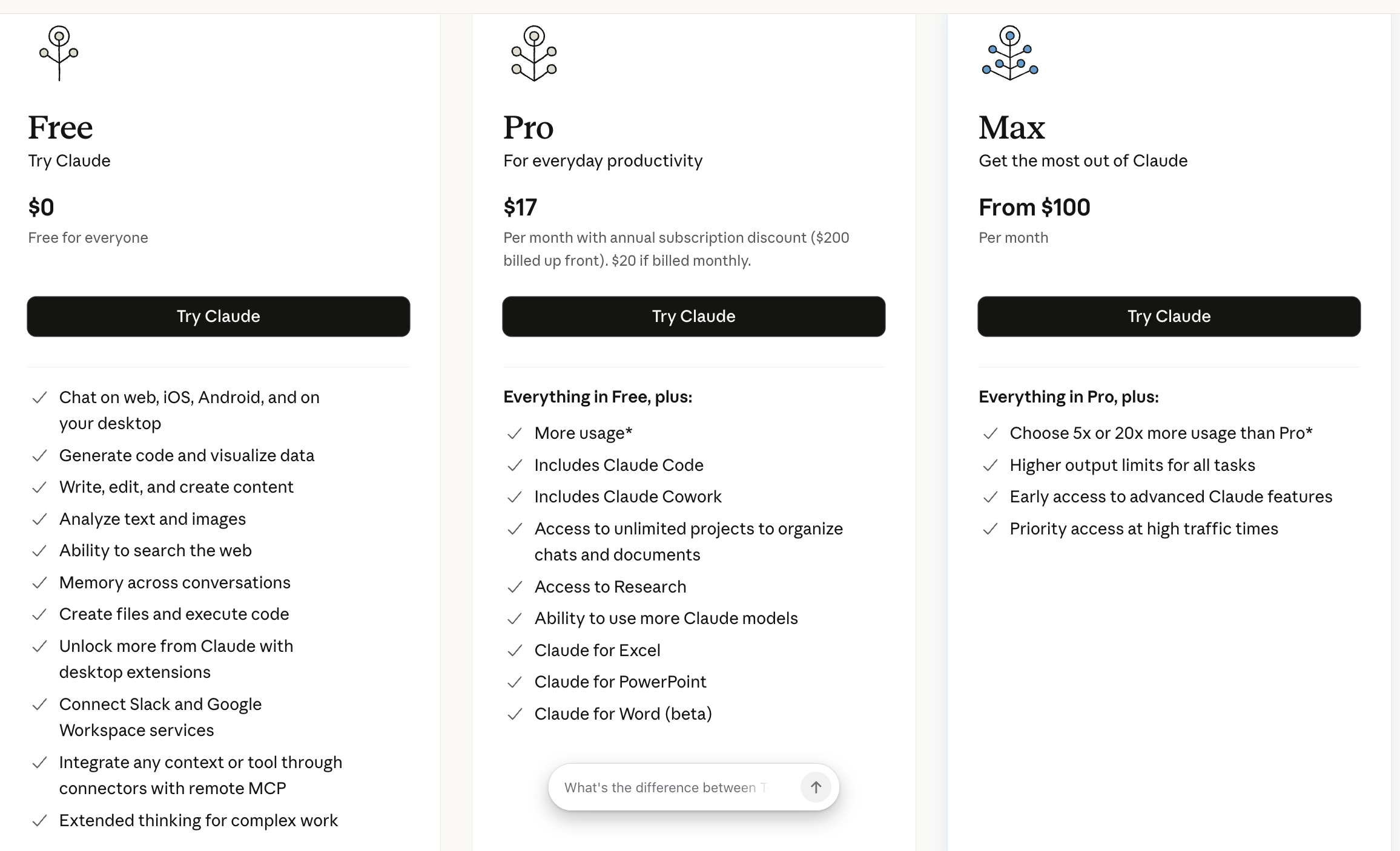
Anthropic structured Claude pricing around distinct user types, not usage levels.
A casual user and a developer running Claude Code aren’t light and heavy versions of the same customer - they’re different customers experiencing different value.
So the tiers feel more like distinct product experiences, not just different volumes of the same product.
You get it. We’re talking about three different models with one common thread: pricing that reflects a clear answer to what value is and who experiences it.
What happens when you skip that step
Microsoft Copilot is a good example of what happens when it goes the other way.
Since launch, the pricing keeps shifting - bundled into Microsoft 365 seats, spun out as add-ons, priced at $30 per user, then restructured again in 2025.
But the real question is still open: can Copilot deliver consistent, attributable value across different roles and workflows?
That’s not a pricing problem. It’s a value-definition problem showing up in the pricing.
And it’s not a Microsoft-specific story. It’s what happens when companies try to capture AI value before they’ve defined what that value actually is.
Here’s the deeper point: pricing isn’t a finance decision you bolt on after the product is built. It’s part of your GTM system architecture.
It starts with your ICP and buyers: how they experience value, when they experience it, and what they’re willing to pay for.
When that’s clear, pricing becomes a natural expression of the system. When it’s not, no pricing model will save you.
Between the lines
I think there’s another side of pricing clarity we need to consider here: trust.
Even when pricing is custom, buyers should still be able to understand who each tier is for, what they’re paying for, and why the structure makes sense.
When that logic isn’t clear, buyers don’t just feel confused. They start questioning whether the company really understands the value they’re supposed to get, and that doubt erodes trust.
That’s why pricing clarity matters. If buyers can’t follow your pricing logic, they may not wait for a sales conversation to figure it out.
But here’s the real takeaway: pricing clarity doesn’t start on your pricing page. It starts with clarity in your GTM system.
Thanks for reading & see you next Saturday!
Alon
P.S. If this resonated, my free GTM System Playbook goes deeper on how the full GTM system fits together.
P.P.S. When you’re ready, here are 3 ways I can help you.